

Introduction
In the modern era of rapidly evolving technology and increasing energy demands, the concept of a smart grid has emerged as a promising solution to transform traditional power systems into more efficient, reliable, and sustainable networks. A smart grid integrates advanced communication, monitoring, control, and automation technologies to optimize the generation, distribution, and consumption of electricity. While renewable energy sources such as solar and wind play a crucial role in the transition towards a smarter grid, the intermittency and variability of these sources highlight the need for reliable backup power solutions. Diesel generators have long been a staple in the power generation industry, and their versatility and reliability make them well-suited for smart grid applications. This article explores the role of diesel generators in smart grid environments, focusing on their contributions to grid resilience, reliability, and stability.
Overview of Smart Grid Applications
A smart grid represents a paradigm shift in the way electricity is generated, transmitted, and consumed. By leveraging advanced technologies such as sensors, meters, communication networks, and control systems, a smart grid enables real-time monitoring, optimization, and management of energy flows. Key objectives of a smart grid include:
1. Enhanced reliability and resilience: Smart grids are designed to improve the reliability of power supply by detecting and isolating faults, minimizing downtime, and enabling rapid restoration of service in case of disruptions.
2. Integration of renewable energy sources: Smart grids facilitate the integration of variable renewable energy sources such as solar and wind power by enabling better forecasting, monitoring, and control of these sources.
3. Demand response and energy efficiency: Smart grids empower consumers to actively participate in energy management through demand response programs, energy efficiency measures, and real-time pricing mechanisms.
4. Grid modernization and optimization: Smart grids enable the integration of distributed energy resources, energy storage systems, electric vehicles, and other emerging technologies to optimize grid performance and support future energy needs.
While smart grid technologies offer numerous benefits, they also introduce new challenges related to grid stability, cybersecurity, interoperability, and resilience. Diesel generators can play a critical role in addressing some of these challenges and enhancing the overall performance of smart grid systems.
Role of Diesel Generators in Smart Grid Applications
Diesel generators have been a reliable source of backup power for decades, providing electricity during grid outages, emergencies, and peak demand periods. In the context of smart grids, diesel generators offer several key advantages that make them valuable assets for grid operators, utilities, and end-users:
1. Grid Resilience: One of the primary benefits of diesel generators in smart grid applications is their ability to enhance grid resilience. In the event of a power outage or disruption, diesel generators can quickly start up and provide backup power to critical loads, preventing service interruptions and minimizing the impact on consumers. By incorporating diesel generators into smart grid designs, operators can create a more robust and resilient energy infrastructure that can withstand unforeseen events and emergencies.
2. Peak Shaving and Load Management: Diesel generators can be used to support peak shaving and load management strategies in smart grid environments. During periods of high electricity demand, diesel generators can be activated to supplement grid power and reduce strain on the system. This helps to stabilize grid operations, avoid overloading, and manage peak energy costs more effectively. By intelligently controlling the operation of diesel generators based on demand patterns and grid conditions, operators can optimize energy use and improve overall system efficiency.
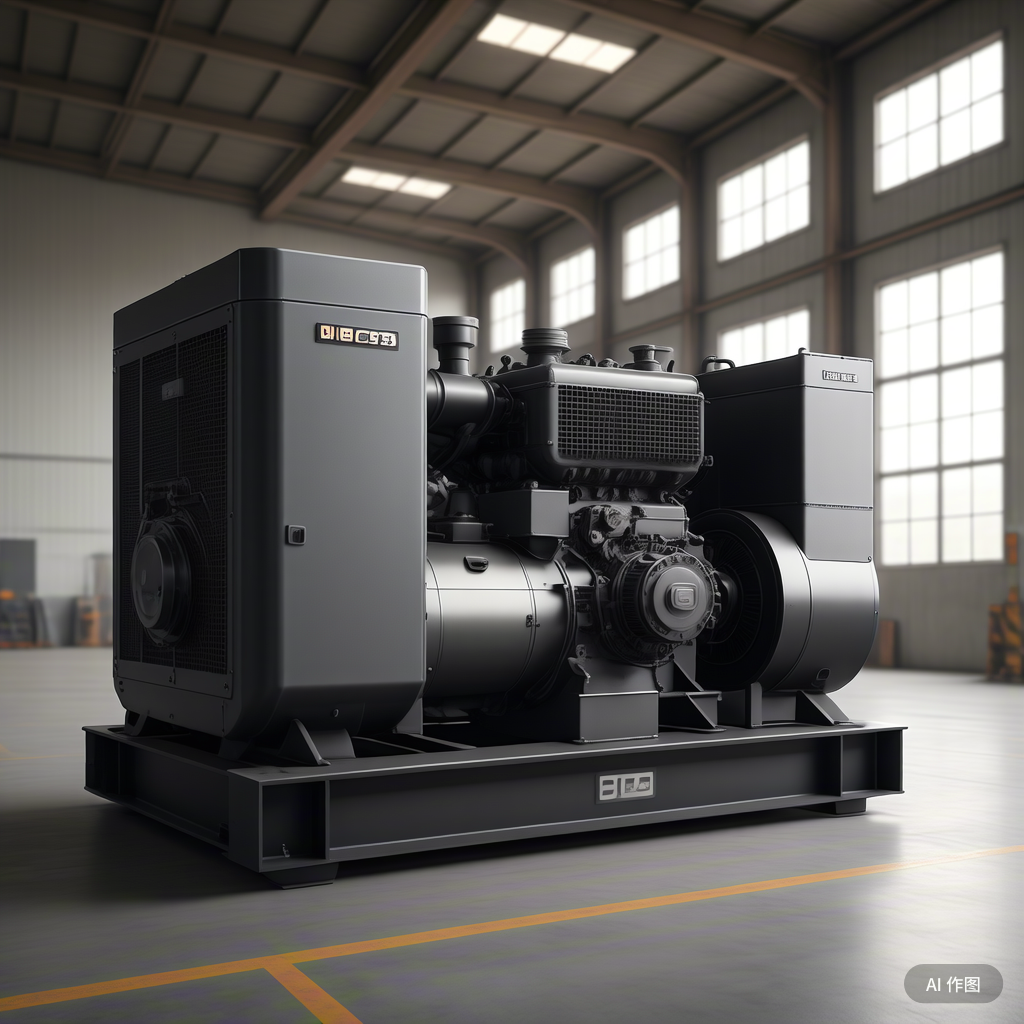
3. Black Start Capability: Diesel generators are well-suited for providing black start capability in smart grid applications. Black start refers to the process of restoring power to a grid that has experienced a complete shutdown or blackout. Diesel generators can be used to initiate the startup sequence for larger power plants, substations, and critical infrastructure, enabling the gradual restoration of electricity supply across the grid. This capability is essential for maintaining grid stability and reliability during extreme events or emergencies.
4. Energy Storage Integration: Diesel generators can complement energy storage systems in smart grid applications to enhance energy resiliency and flexibility. By combining diesel generators with battery storage or other energy storage technologies, operators can optimize the utilization of renewable energy, improve grid stability, and provide backup power during extended outages. Diesel generators can serve as a reliable source of dispatchable power to support energy storage systems and ensure continuous electricity supply under varying operating conditions.
5. Remote and Off-Grid Applications: Diesel generators are well-suited for remote and off-grid smart grid applications where access to reliable power sources may be limited. In remote areas, islands, or industrial sites, diesel generators can serve as primary or backup power sources to support critical operations, infrastructure, and services. By integrating diesel generators with smart grid technologies such as microgrids, operators can improve energy reliability, reduce dependence on centralized power plants, and enhance energy self-sufficiency in isolated locations.
Challenges and Considerations
While diesel generators offer significant benefits for smart grid applications, they also pose certain challenges and considerations that need to be addressed to maximize their effectiveness and minimize their environmental impact:
1. Emissions and Environmental Impact: Diesel generators are known for their emissions of pollutants such as nitrogen oxides (NOx), particulate matter, and greenhouse gases. To mitigate the environmental impact of diesel generators in smart grid applications, operators need to implement emission control technologies, fuel efficiency measures, and emission monitoring practices. Additionally, integrating cleaner fuel options such as biodiesel, natural gas, or hydrogen can help reduce the carbon footprint of diesel generators and align them with sustainability goals.
2. Maintenance and Reliability: Diesel generators require regular maintenance, servicing, and monitoring to ensure optimal performance and reliability. In smart grid applications, where continuous operation and rapid response are critical, proactive maintenance practices and condition monitoring systems are essential to prevent downtime and equipment failures. Operators should establish robust maintenance schedules, conduct routine inspections, and implement predictive maintenance strategies to maximize the lifespan and efficiency of diesel generators.
3. Grid Integration and Control: Integrating diesel generators into smart grid systems requires advanced control and monitoring capabilities to coordinate their operation with grid conditions, demand patterns, and renewable energy sources. Smart grid technologies such as SCADA (Supervisory Control and Data Acquisition) systems, energy management platforms, and predictive analytics tools can facilitate real-time monitoring, control, and optimization of diesel generators. By implementing 500KW Diesel Generator For Sale , operators can enhance grid stability, optimize energy management, and improve overall system performance.
4. Cost and Efficiency: The initial capital cost, operational expenses, and fuel consumption associated with diesel generators can be significant factors to consider in smart grid applications. Operators need to evaluate the cost-effectiveness of diesel generators compared to alternative backup power solutions and energy storage technologies. By conducting thorough cost-benefit analyses, operators can determine the optimal size, configuration, and deployment of diesel generators to meet the reliability and resilience requirements of smart grid systems while minimizing operational costs.
5. Regulatory Compliance and Standards: Compliance with regulatory requirements, safety standards, and environmental regulations is essential when deploying diesel generators in smart grid applications. Operators must adhere to local, national, and international standards for emissions control, noise pollution, fuel storage, and generator operation. By ensuring compliance with relevant regulations and standards, operators can mitigate risks, protect public health and safety, and maintain operational integrity in smart grid environments.
Case Studies and Best Practices
Several real-world examples demonstrate the successful integration of diesel generators in smart grid applications, showcasing their versatility, reliability, and efficiency in supporting grid operations:
1. Microgrid Resilience: In a microgrid project deployed in a remote community, diesel generators were utilized to provide backup power and support grid stability during periods of high demand or renewable energy variability. By combining diesel generators with solar panels, battery storage, and smart controls, the microgrid achieved enhanced resilience, reduced downtime, and improved energy reliability for local residents and businesses.
2. Industrial Backup Power: An industrial facility implemented a diesel generator system to ensure uninterrupted power supply for critical manufacturing processes and equipment. The diesel generators were integrated with an automatic transfer switch and remote monitoring system to enable seamless transition to backup power in case of grid outages or voltage fluctuations. The system's reliability and fast response time helped the facility maintain production continuity and protect against financial losses due to downtime.
3. Emergency Response: During a natural disaster event, a utility company deployed mobile diesel generators to restore power to affected areas and support emergency response efforts. The diesel generators were strategically positioned to provide temporary power to hospitals, shelters, and essential services until permanent repairs could be completed. The rapid deployment and flexibility of the diesel generators played a vital role in restoring electricity supply and aiding in disaster recovery operations.
Best practices for deploying diesel generators in smart grid applications include:
- Conducting thorough site assessments to determine power requirements, load profiles, and backup power needs.
- Implementing redundant and parallel configurations of diesel generators for increased reliability and capacity.
- Integrating remote monitoring, control, and automation systems to enable real-time visibility and management of generator performance.
- Establishing proactive maintenance schedules and performance monitoring protocols to ensure optimal generator operation and longevity.
- Collaborating with regulatory authorities, energy suppliers, and technology vendors to ensure compliance with standards and regulations governing diesel generator use.
Conclusion
Diesel generators play a vital role in enhancing grid resilience, reliability, and stability in smart grid applications. Their ability to provide backup power, support peak shaving, enable black start capability, integrate with energy storage, and serve remote or off-grid locations makes them valuable assets in modern energy systems. By leveraging advanced control systems, monitoring technologies, and operational practices, operators can maximize the benefits of diesel generators while minimizing their environmental impact and operational costs. As smart grids continue to evolve and expand, the role of diesel generators is expected to remain significant, offering a reliable and flexible solution to meet the diverse energy needs of today's dynamic grid environments.